If you want the live example behind this article, start with the main Zen Poke page. You can also jump straight to the gameplay guide, FAQ, or relaxing iPhone game page.
More mobile players want games that feel softer right away. They are not asking for more noise or more pressure. They want less friction, less mental drag, and a game that feels good in their hands from the first few taps.
That is why poke-to-reveal games can remind people of ASMR. They create a similar rhythm of gentle repetition, clear feedback, and small satisfying moments. In a good poke-to-reveal game, the player does not need to memorize systems, race a timer, or absorb a wall of information. The core reward comes from steady sensory feedback. You touch the screen. The artwork changes. Progress is obvious. The next touch feels worth making.
Why the mechanic works so well on phones
Phone games live or die on how quickly they make sense. A mechanic that feels obvious in the first few seconds has a huge advantage over one that needs explanation before it becomes enjoyable. Poke-to-reveal has that advantage built in.
That is also why this kind of mechanic connects so well with players who want calming games for adults or gentler stress relief games. They are often not looking for challenge-first design. They want a mobile experience that feels softer, clearer, and easier to return to without mental drag.
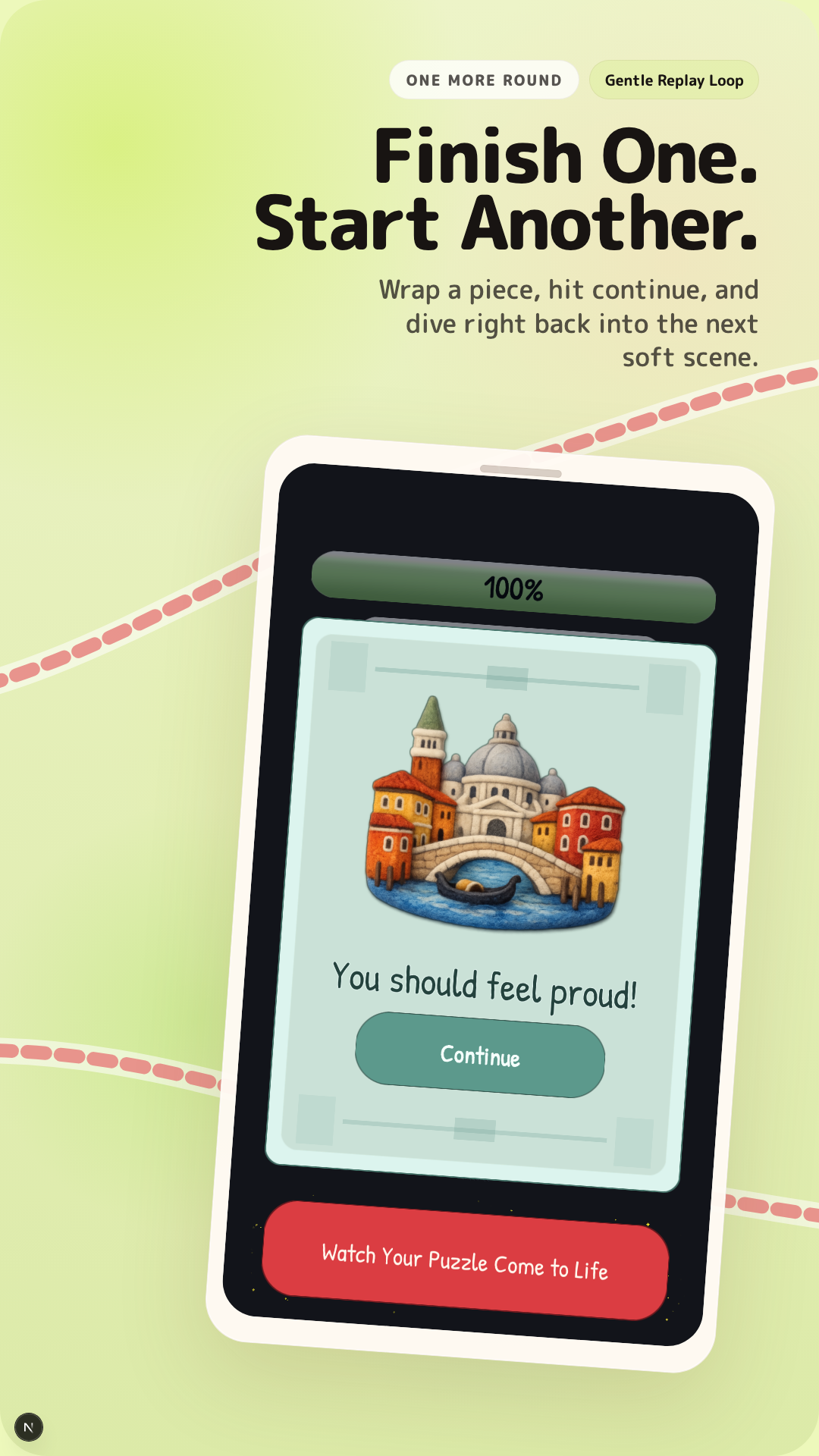
What makes a poke-to-reveal game feel calming instead of repetitive
The mechanic alone is not enough. If every reveal feels flat, the game becomes a gimmick. If the pacing is too slow, it becomes dull. If the art does not reward the player, the loop loses its pull.
The versions that work best usually combine four things:
- A clear touch-to-progress relationship
- Artwork that becomes more rewarding as the scene opens up
- Low-pressure pacing with no punishment for going slowly
- Enough content and progression to make the loop feel worth returning to
That last point matters more than people think. A calming game still needs substance. If a player enjoys the feel of the mechanic, they need enough puzzles, goals, and repeat-play reasons to keep that feeling alive past the first few sessions.
That is one reason Zen Poke works better when it is upfront about the puzzle count. It already has 100 relaxing puzzles available right now, with more added regularly. For a player landing on it cold, that number answers an important question immediately: “Is this a real game with enough to do?”
Why this matters for short-session mobile play
Short-session design is easy to talk about and harder to execute. A lot of games claim they are good for quick breaks, but what they really mean is that they can be interrupted. That is different from being naturally satisfying in a short window.
A good poke-to-reveal loop is satisfying in short windows because every small interaction changes the state of the scene in a visible way. You do not need a long session to feel like you accomplished something. Even a minute or two can feel complete enough to register as a real break.
That is especially useful for players who want a relaxing puzzle game or an offline-friendly iPhone puzzle game. They want something they can keep on their phone and return to without drama, loading friction, or competitive pressure.
Where Zen Poke fits in this category
Zen Poke fits this lane because it is not trying to win on intensity. Its strongest qualities are softness, rhythm, and visible progress. The felt-style direction gives the artwork a warmer identity than the typical abstract mobile puzzler. The reveal loop gives every tap a purpose. The daily rhythm, stars, streaks, and progression add structure without turning the game into homework.
That kind of clarity matters because players decide fast. When a game presents its tone, mechanic, and amount of content clearly, it is easier to trust. Zen Poke benefits from that because its appeal is straightforward: soft visuals, tactile progress, and enough puzzles to make the calming loop feel substantial.
What players want from a calming phone game
When people reach for a calming game on their phone, they are usually trying to avoid clutter, pressure, interruption, or sensory overload. They want clean feedback, softer pacing, and something that feels easy to like quickly.
That does not mean every successful calming game has to be premium-only or ad-free by default. It does mean the entire experience has to feel low-friction. In Zen Poke's case, the better message is not to over-promise on “no ads.” It is to make the calming loop, the light progression, the offline-friendly core play, and the optional one-time remove-ads path easy to understand.
If you want to see that in action, use the main Zen Poke page, the How to Play guide, or the Why Zen Poke Feels Calming page. The short version is simple: Zen Poke is built to feel good one touch at a time, and the 100-puzzle count makes that promise easier to trust.